
Orthopaedics | Traumatology
rthopaedics | Traumatology
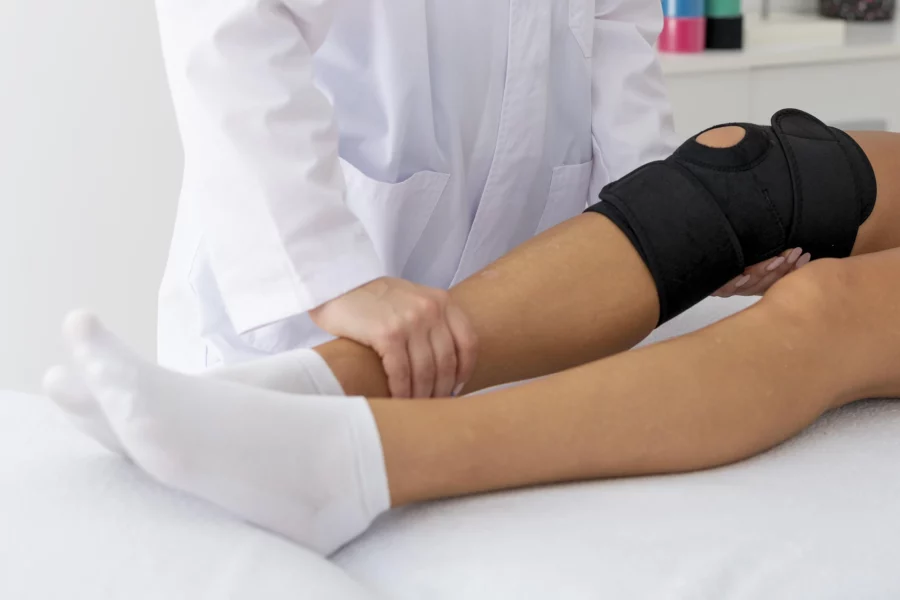
In recent years, synthetic and alloplastic bone substitutes, belonging to the class of biomaterials, have assumed an increasingly important role. Their primary purpose is to support bone regeneration by filling bone defects and promoting the physiological healing process. Among the most widely used materials are bioactive ceramics, such as hydroxyapatite and calcium phosphates, whose composition closely resembles the mineral phase of natural bone.
The integration of osteosynthesis systems with bone substitutes has become an established approach in modern orthopedic surgery, enabling the effective management of complex clinical cases characterized by mechanical instability, bone loss, or infection.
Traumatology | Osteomyelitis diabetic foot
BONESUPPORT
CERAMENT®
The antibiotic-containing versions, with Gentamicin or Vancomycin, in addition to having all the structural characteristics of BVF, are useful in preventing and treating the colonization of the surgical site by microorganisms and thus protecting the bone healing process, thanks to the local elution of the antibiotic.
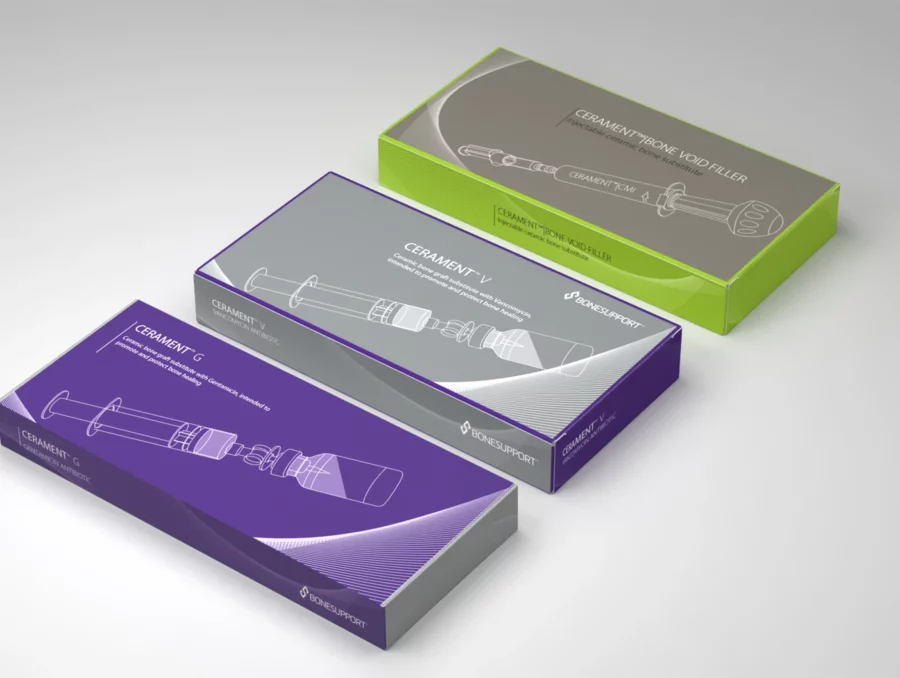
The BoneSupport portfolio we market includes three types of products:
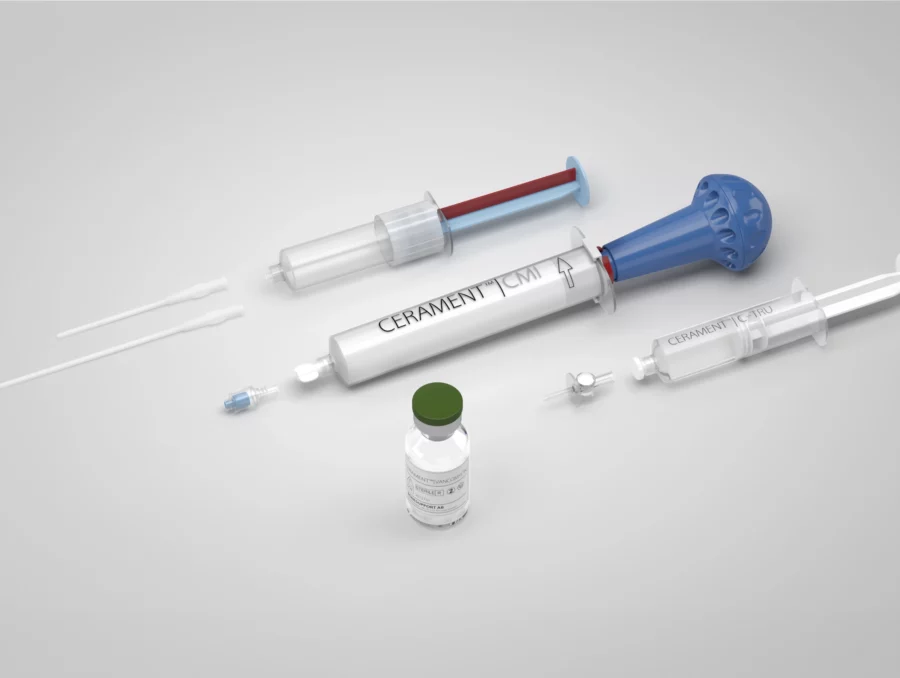
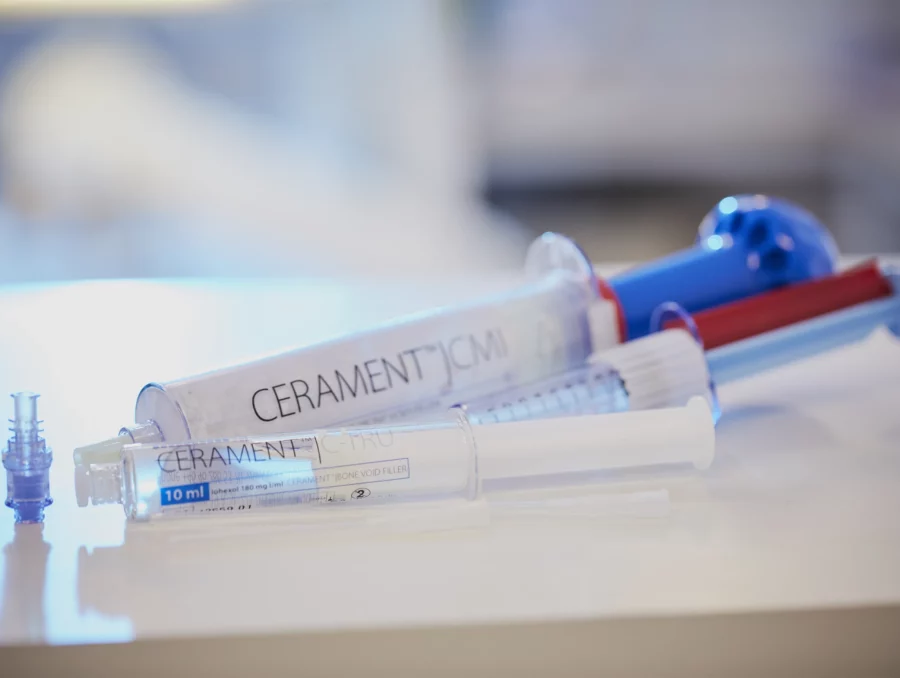
- Cerament BONE VOID FILLER is a resorbable ceramic bone graft substitute designed to fill cavities and voids in the skeletal system in order to promote bone regeneration. Cerament BVF fills bone cavities and voids, providing valuable secondary structural support to synthetic materials during surgical procedures.
- Cerament G – with Gentamicin
- Cerament V – with Vancomycin
Genostis®
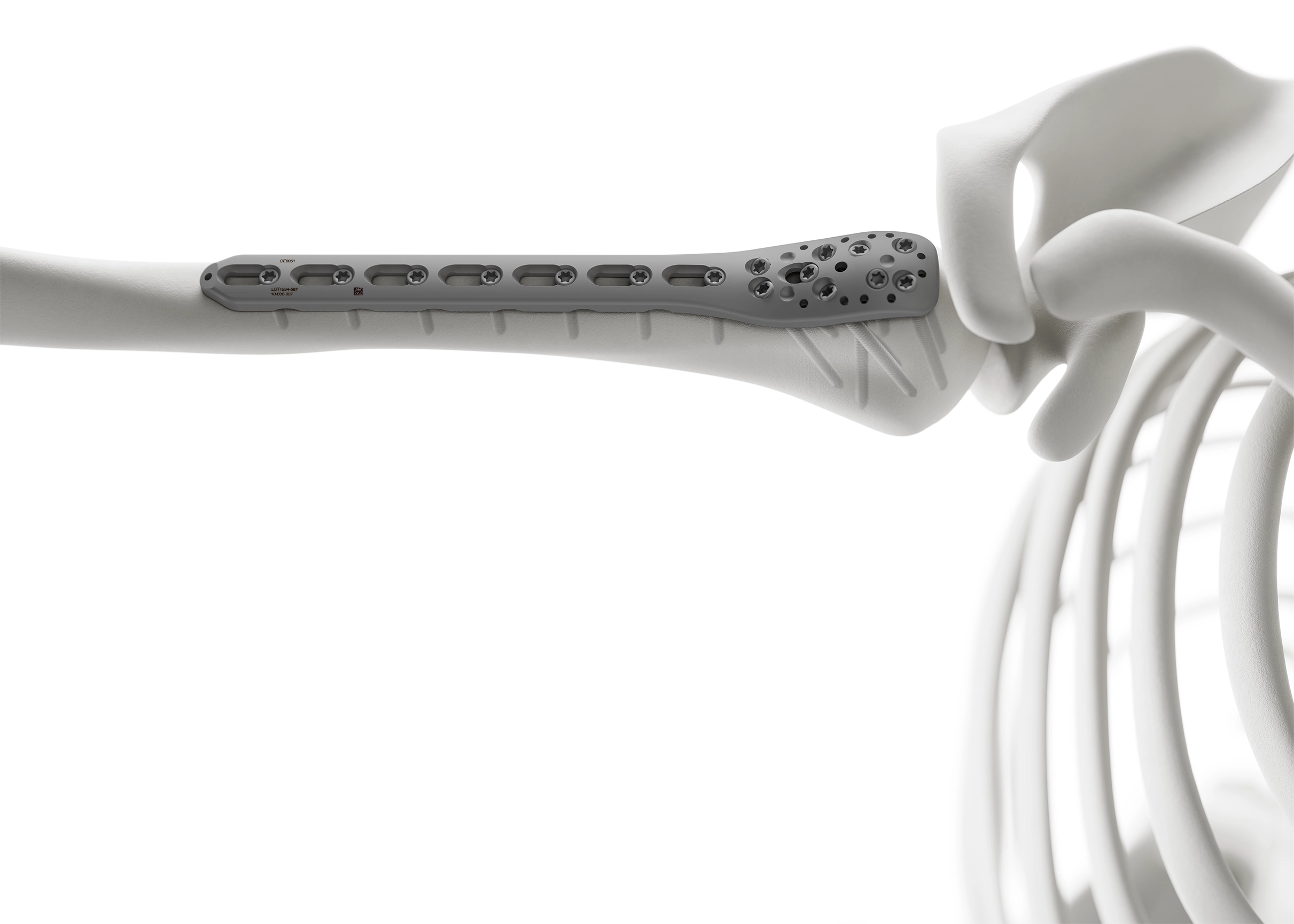
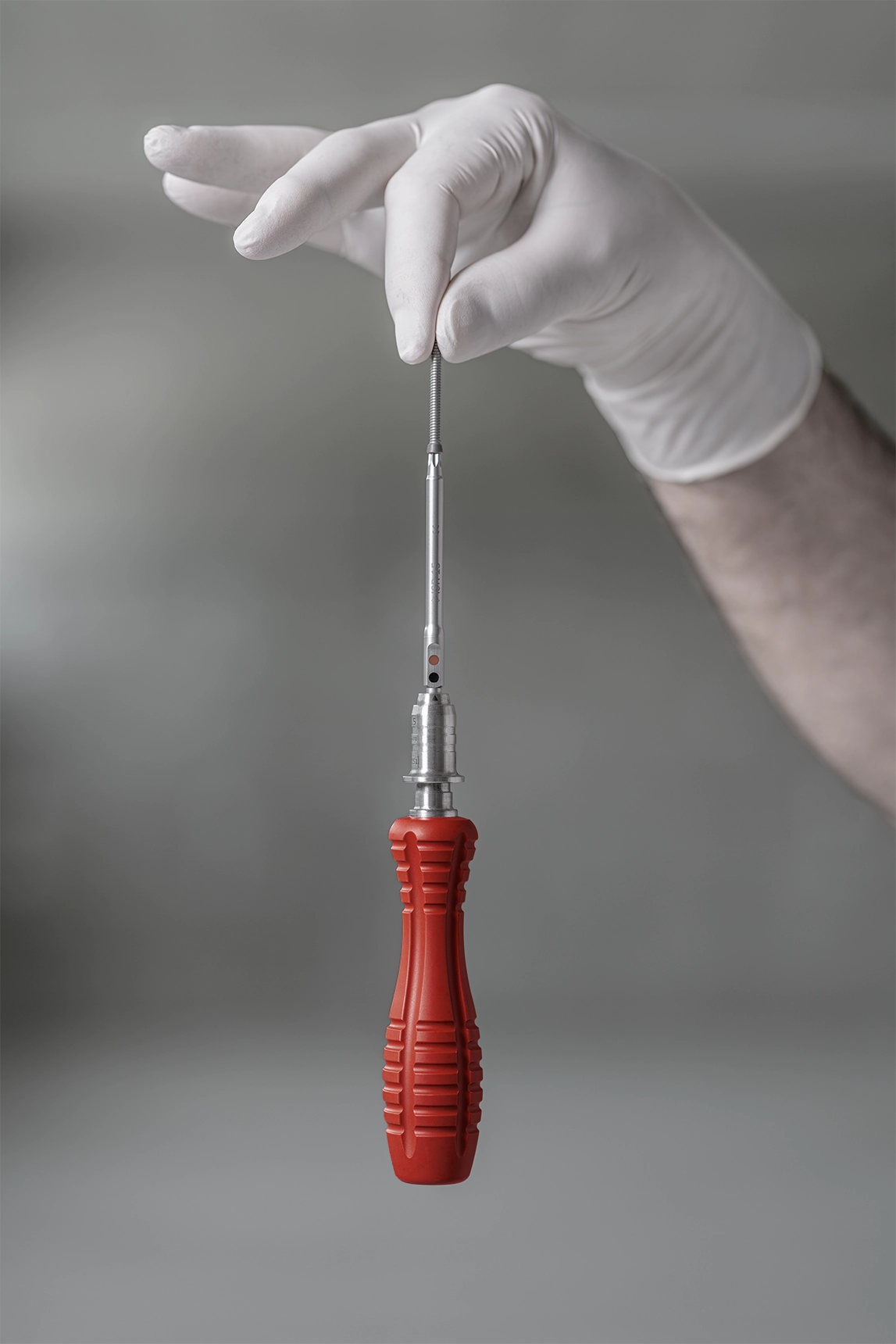
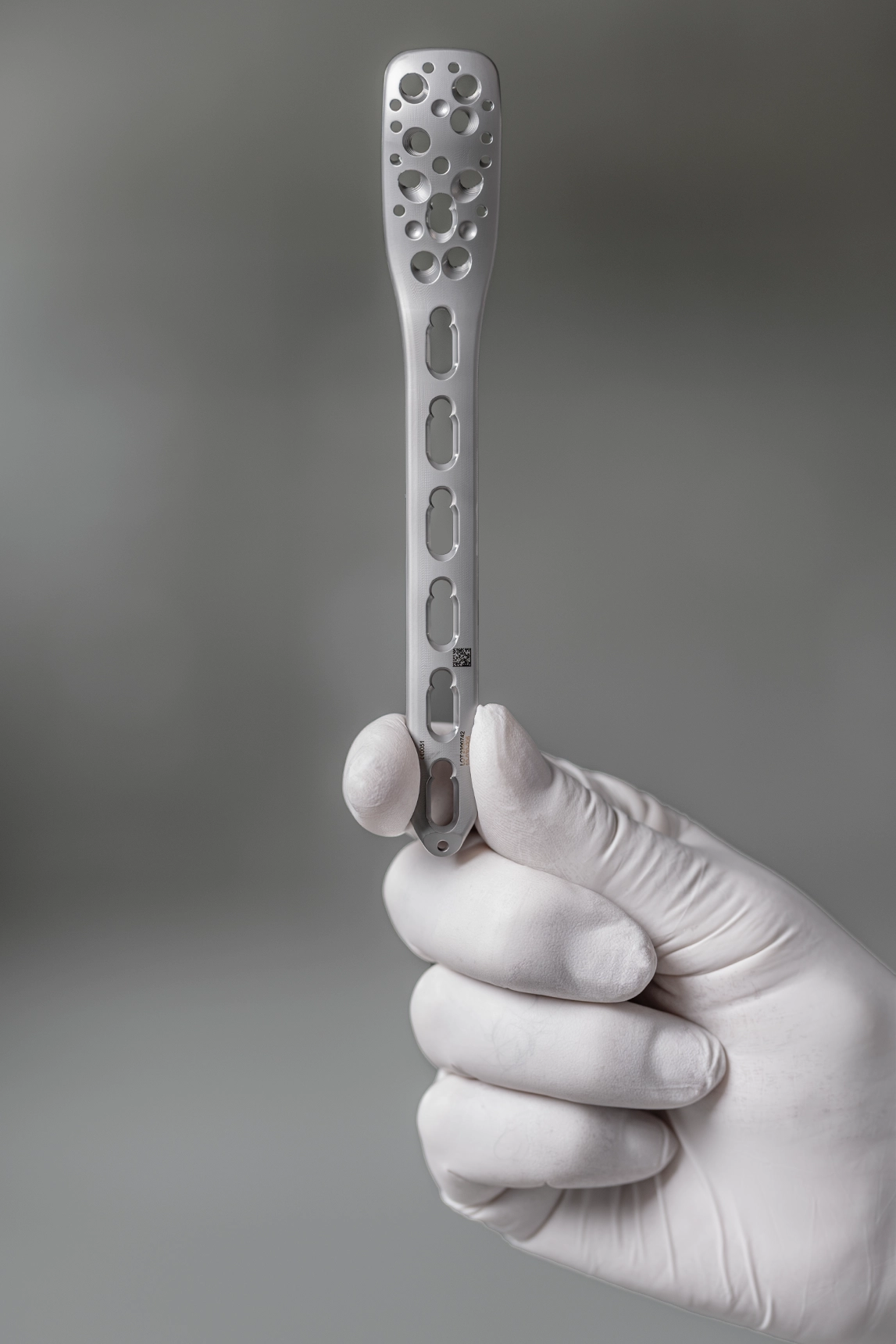
Genostis® is a line of internal fixation systems developed according to established AO principles and intended for the treatment of fractures and osteotomies. The portfolio includes a wide range of anatomical plates and screws, all manufactured from Ti-6Al-4V ELI titanium alloy (Titanium Grade 5 ELI)), a material that provides excellent mechanical performance, outstanding biocompatibility, and high corrosion resistance. Designed and manufactured entirely in Switzerland using highly automated production processes, the Genostis product line combines superior manufacturing quality, reliability, and continuity with established surgical techniques, offering a comprehensive and cost-effective solution for trauma surgery.
Orthopedics | Regenerative medicine
- tissue engineering
- cell and gene therapy
- medical devices
- artificial organs
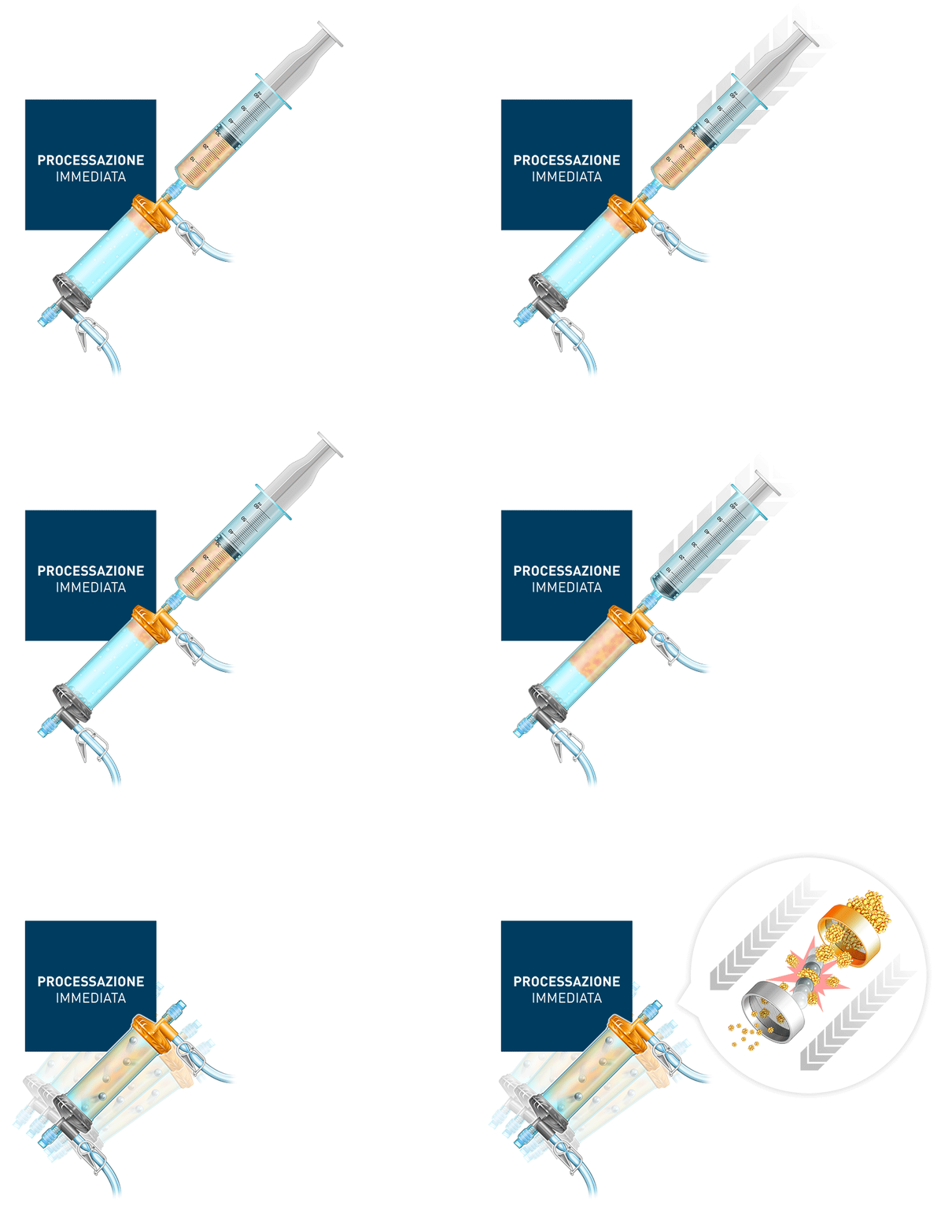
PROCESSING
The harvested tissue is processed immediately in the operating room using the LIPOGEMS® system. This phase allows for a gradual reduction of the fat clusters until a particularly fluid product is obtained, free of pro-inflammatory oily and bloody components.
